Protein: Building Blocks and Satiety Role
Understanding the multifaceted functions of amino acids in human physiology
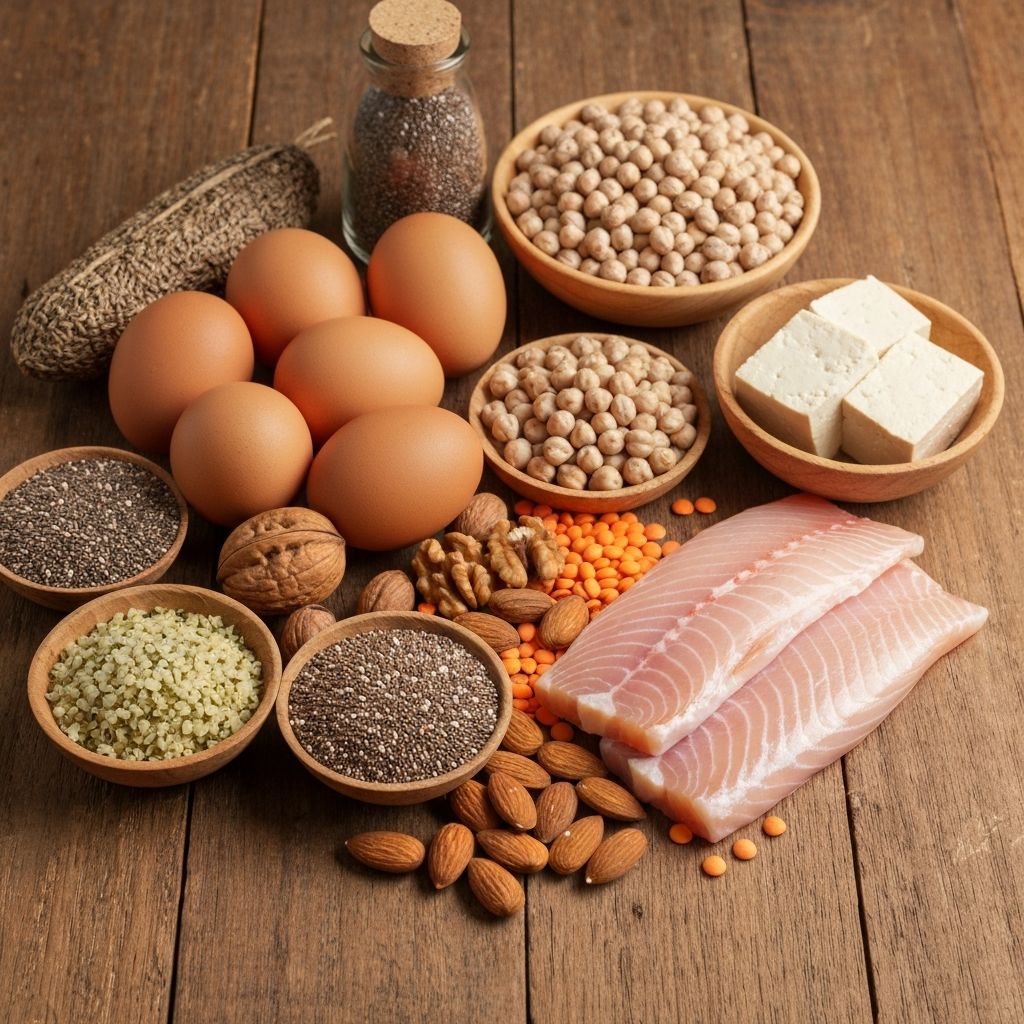
What is Protein?
Protein is a macronutrient composed of amino acids—organic compounds linked in specific sequences. The human body recognises approximately 20 amino acids, nine of which are essential, meaning they must be obtained through food because the body cannot synthesise them independently.
When you consume protein, digestive enzymes break it down into individual amino acids, which are absorbed and transported throughout the body to be utilised for various biological functions.
Primary Functions of Protein
Structural Support: Protein forms the foundation of muscle tissue, connective tissue, skin, hair, and nails. When you consume adequate protein, you provide the body with the raw materials needed to build, maintain, and repair these tissues. This is particularly important during periods of physical activity, injury recovery, or growth.
Enzymatic Activity: Thousands of enzymes—biological catalysts that accelerate chemical reactions—are proteins. Without adequate protein intake, your body struggles to produce these enzymes efficiently, potentially slowing metabolic processes and nutrient absorption.
Hormonal Regulation: Many hormones, including thyroid hormones, growth hormone, and sex hormones, are protein-based or require amino acids for their synthesis. Adequate protein supports stable hormonal function, which influences metabolism, mood, and overall wellbeing.
Immune Function: Antibodies—proteins that identify and neutralise pathogens—depend on amino acid availability. Protein deficiency compromises immune response and increases susceptibility to infections.
Protein and Satiety
One of protein's most practical functions is its role in appetite regulation. Protein is the most satiating macronutrient—meaning it creates a stronger and longer-lasting feeling of fullness compared to equal calories from carbohydrates or fats.
This occurs through several mechanisms. First, protein stimulates the release of peptide YY and cholecystokinin, hormones that signal fullness to the brain. Second, protein requires more digestive energy—known as the thermic effect of food—which slightly increases calorie expenditure and prolongs the sensation of digestion. Third, protein slows gastric emptying, meaning food remains in the stomach longer, extending the satiety signal.
Practically, this means a meal containing adequate protein tends to keep you fuller for longer, potentially reducing the frequency of hunger spikes and the impulse to snack between meals.
Protein Distribution Across the Day
Research suggests that distributed protein intake—consuming protein at regular intervals throughout the day rather than concentrating it in one meal—may optimise muscle protein synthesis and appetite regulation. This doesn't require rigid meal timing but rather consistent attention to including protein-containing foods across breakfast, lunch, dinner, and any snacks.
Individual Protein Needs Vary
Protein requirements differ based on age, activity level, muscle mass, health status, and individual metabolism. Athletes, older adults, and those recovering from illness may need more protein than sedentary individuals. Individual responses to protein intake also vary due to genetics and digestive efficiency.