Nourishment Notes
A curated collection of detailed explorations into the science of nutrition, the physiology of appetite, and the lifestyle patterns that shape our daily relationship with food.
Educational content only. No promises of outcomes.

Featured Articles
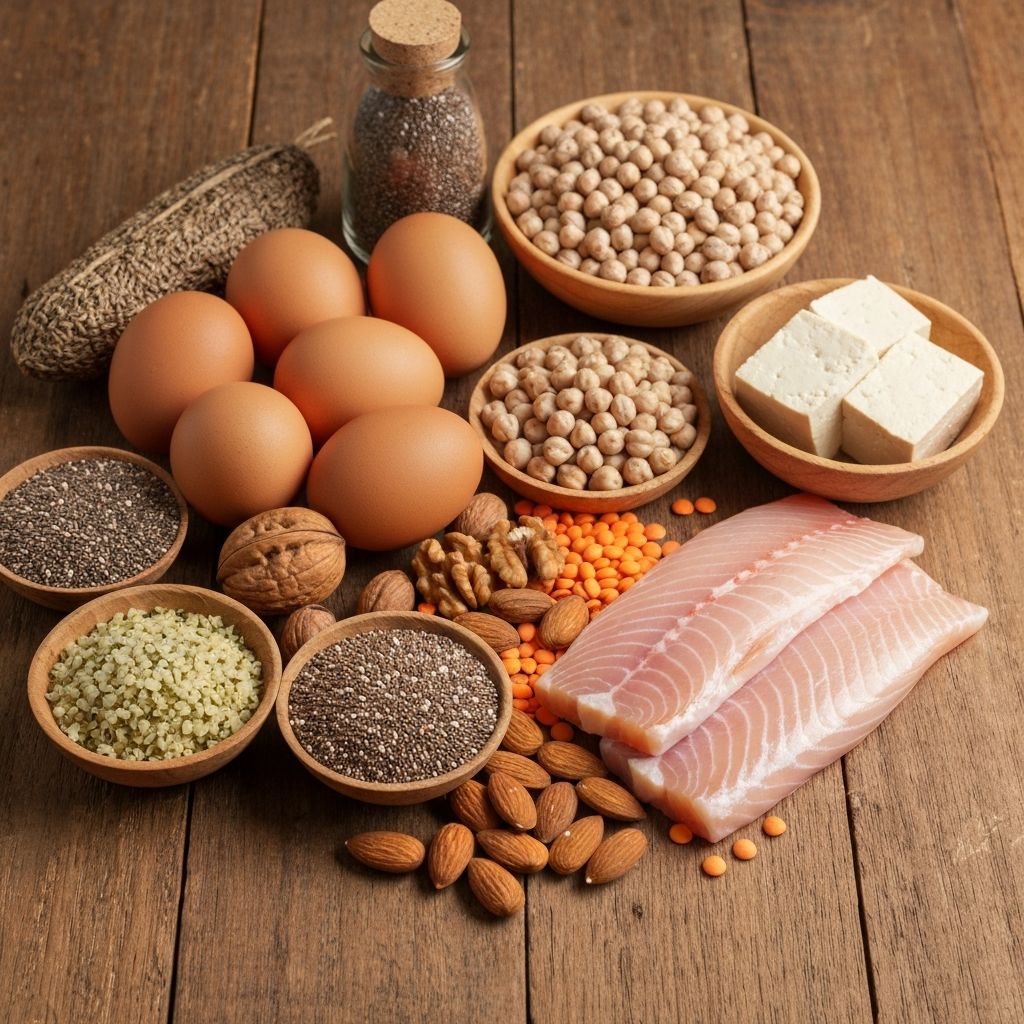
Protein: Building Blocks and Satiety Role
Explore the multifaceted role of amino acids in supporting muscle tissue, enzyme function, hormone production, and the critical satiety mechanisms that shape appetite patterns throughout the day.
Read more →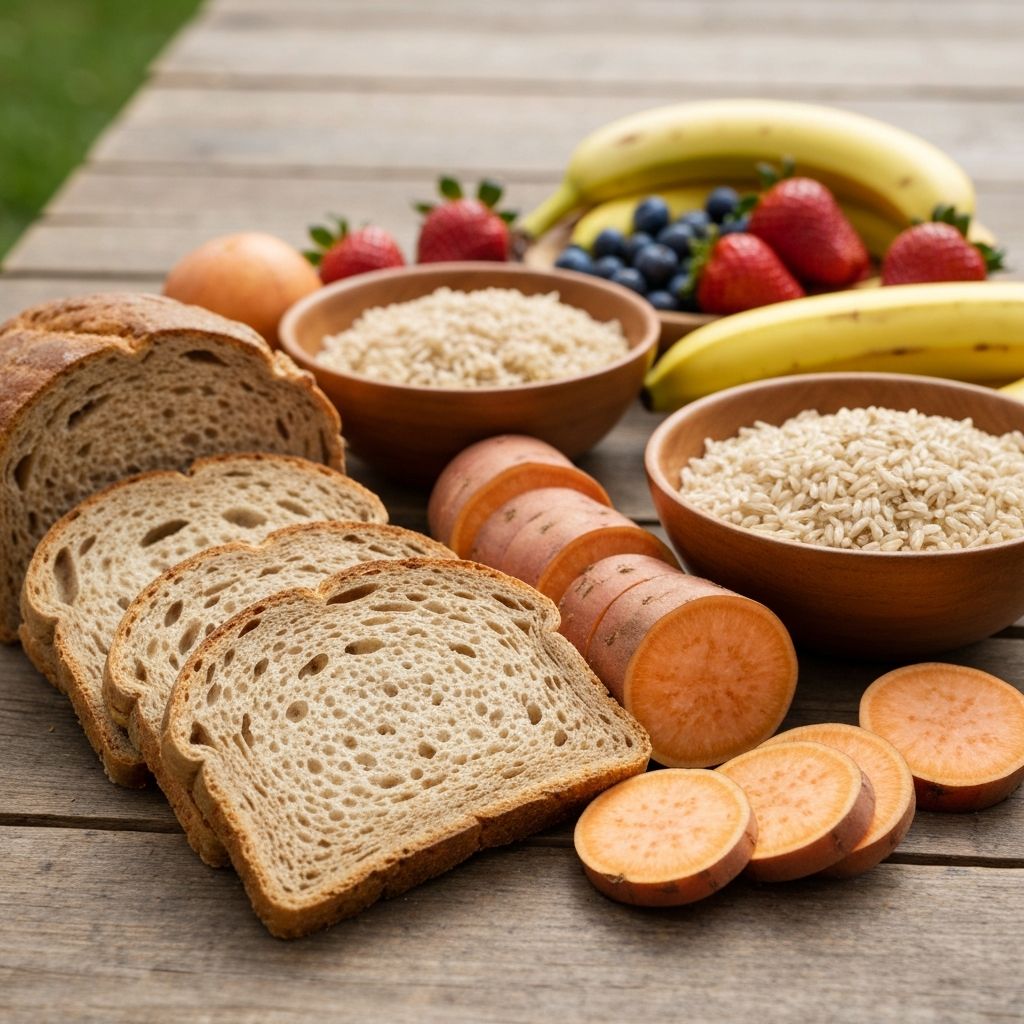
Carbohydrates: Energy Sources and Variations
Understand the spectrum of carbohydrate structures—from simple sugars to complex starches and fibre—and how their different molecular arrangements influence digestion, glucose delivery, and sustained energy availability.
Read more →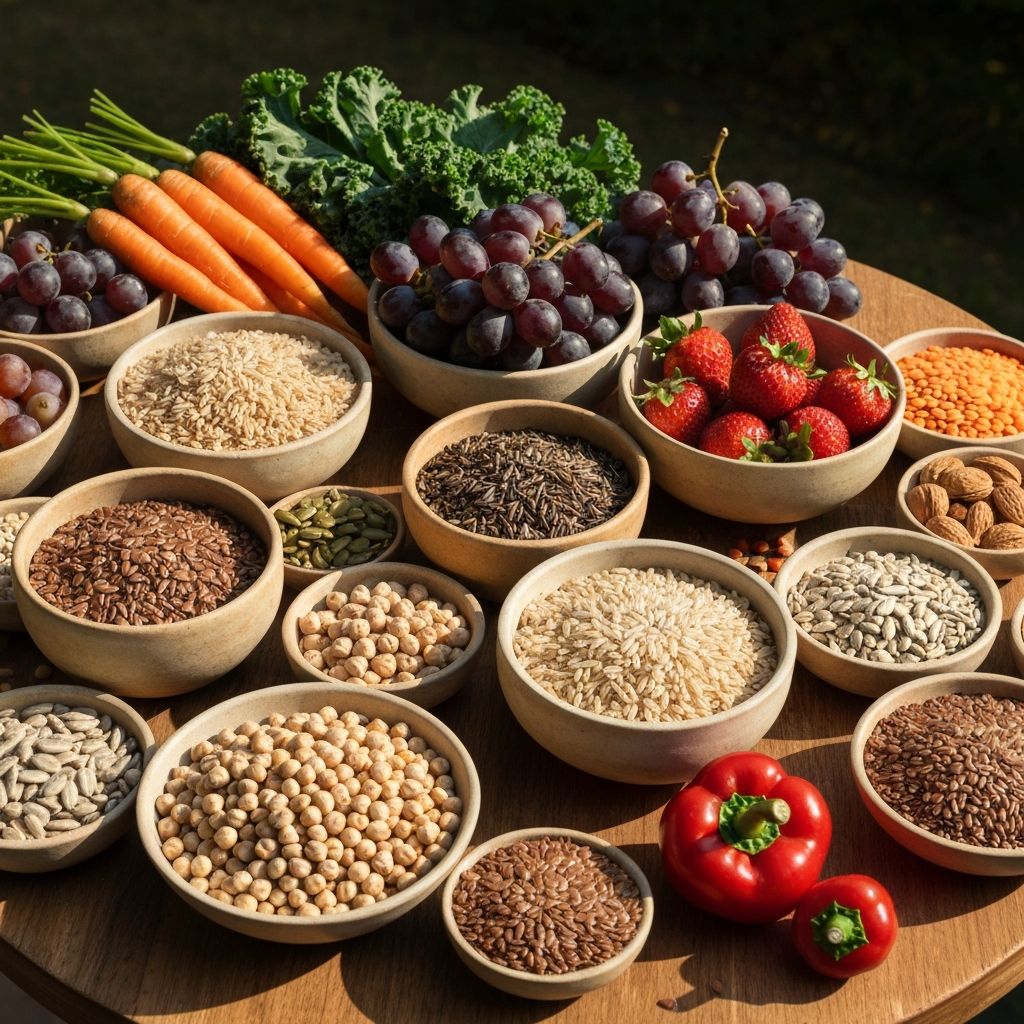
Fibre in Food: Digestion and Comfort
Discover how dietary fibre—the indigestible component of plant foods—affects digestive function, microbiota health, satiety signalling, and overall metabolic processes in ways often overlooked in basic nutrition education.
Read more →
Sleep Quality and Eating Behaviour Links
Explore the bidirectional relationship between sleep architecture and appetite regulation, including how poor sleep disrupts ghrelin and leptin signalling and intensifies cravings for energy-dense foods.
Read more →
Daily Activity Beyond Exercise
Understand non-exercise activity thermogenesis (NEAT)—the energy expended through occupational, postural, and spontaneous movement—and its profound influence on total daily energy expenditure and metabolic function.
Read more →
Addressing Frequent Nutrition Misbeliefs
Examine common misconceptions in nutrition through an evidence-based lens—distinguishing between established science, outdated beliefs, and marketing narratives that persist in popular wellness discourse.
Read more →How to Use These Articles
Each article explores a specific aspect of nutrition science in depth. They are designed to be accessible to readers without formal scientific training, while maintaining accuracy and nuance. You may read them in any order, though the foundational concepts in the early articles provide context for more advanced topics later.
These articles are educational resources. They do not constitute medical advice, nutritional recommendations, or personalised guidance. For individual concerns or specific health questions, please consult a qualified healthcare professional.