Carbohydrates: Energy Sources and Variations
How different carbohydrate structures influence digestion and metabolic processes
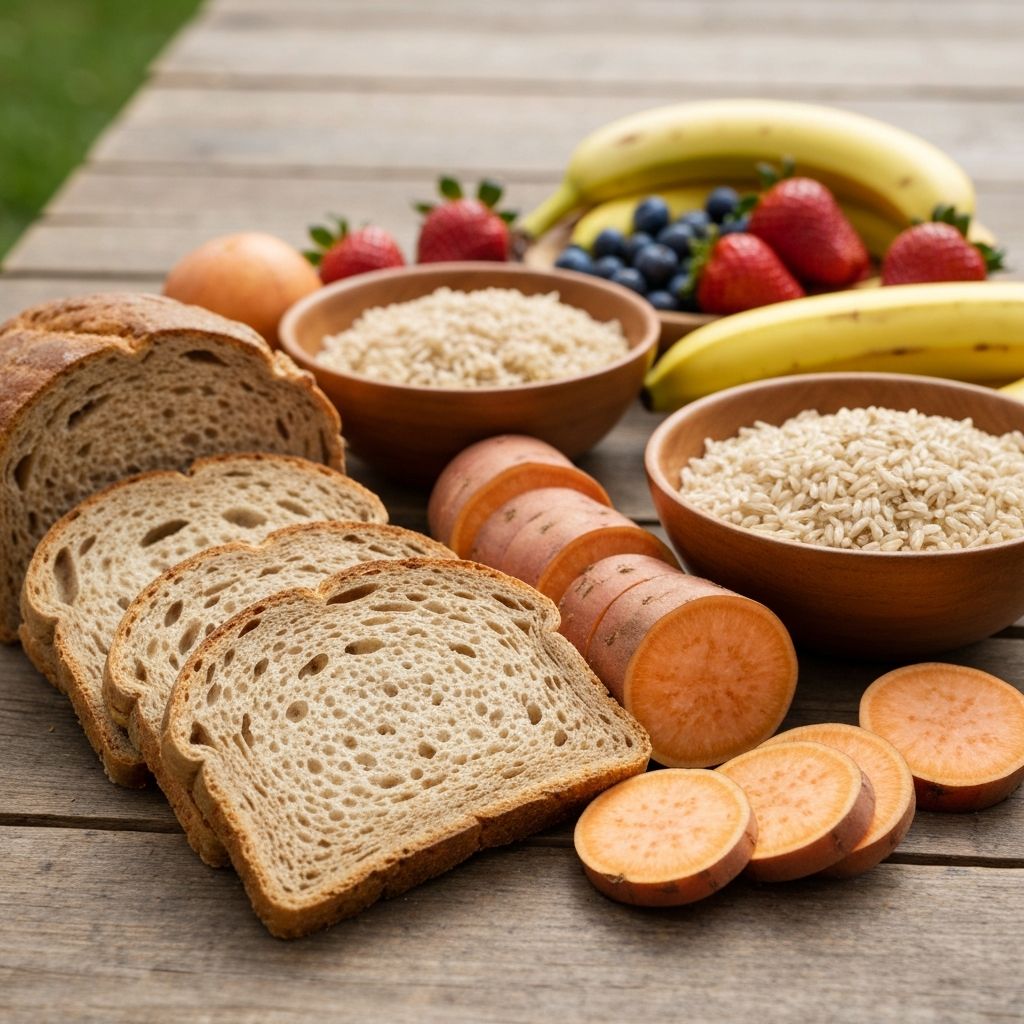
What Are Carbohydrates?
Carbohydrates are organic compounds composed of carbon, hydrogen, and oxygen. The body breaks them down into glucose—a simple sugar that serves as the primary fuel for brain, muscles, and organs. Unlike some organisms, humans cannot synthesise glucose from thin air; we must obtain it through food.
Three Categories of Carbohydrates
Simple Carbohydrates (Monosaccharides and Disaccharides): These are single molecules or pairs of sugar molecules. Examples include glucose, fructose (fruit sugar), lactose (milk sugar), and sucrose (table sugar). Simple carbohydrates taste sweet and are absorbed quickly by the small intestine, causing rapid blood glucose elevation.
Complex Carbohydrates (Starches): These are long chains of glucose molecules bonded together. Found in foods like potatoes, grains, legumes, and refined grain products, starches must be broken down by digestive enzymes into glucose before absorption. This process takes longer than with simple sugars, resulting in more gradual blood glucose elevation.
Fibre: Fibre is a carbohydrate structure that humans cannot digest. Despite being indigestible, fibre profoundly influences digestive processes, feeding beneficial gut bacteria, slowing digestion, and supporting various aspects of metabolic health. We explore fibre in greater detail in a separate article.
Glycemic Response and Individual Variation
The speed at which a carbohydrate-containing food elevates blood glucose—called its glycemic response—influences satiety, energy stability, and appetite patterns. Simple carbohydrates generally produce faster, higher glucose spikes. Complex carbohydrates and those eaten with fat and protein produce more gradual, sustained elevation.
However, individual responses vary significantly. Factors like physical fitness, recent activity, meal composition, gut bacteria, stress levels, and sleep quality all influence how your body responds to the same carbohydrate source.
Carbohydrates and Satiety
Carbohydrates vary substantially in their satiety effects. Refined carbohydrates—processed foods with simple sugars and minimal fibre—tend to produce rapid blood glucose spikes followed by crashes, which often trigger renewed hunger. Whole food sources of complex carbohydrates, particularly those with fibre, tend to support more stable glucose and sustained fullness.
The quantity and context matter too. A piece of fruit containing both sugar and fibre, consumed with a protein source, produces a different satiety response than the equivalent sugar consumed in isolation.
Carbohydrates and Physical Performance
Carbohydrates are the body's preferred fuel for intense physical activity. The brain relies almost exclusively on glucose, and muscles preferentially use stored carbohydrate (glycogen) during high-intensity exercise. This is why athletes often strategically consume carbohydrates around training sessions.
Individual Carbohydrate Needs
Recommended carbohydrate intake varies based on activity level, health status, athletic goals, and individual metabolic function. Sedentary individuals require less carbohydrate than athletes. People with specific health conditions may have different optimal carbohydrate quantities.
There is no universally "ideal" carbohydrate percentage of total calories. Some people thrive with higher carbohydrate intake; others feel better with moderate amounts. Individual assessment is necessary.